Weight loss drugs could save airlines $580 million per year on fuel as Americans slim down

Airlines can also be happy to the manufacturers of weight loss drugs in case the passengers lose weight and consequently, the carriers are in a position to save on fuel.
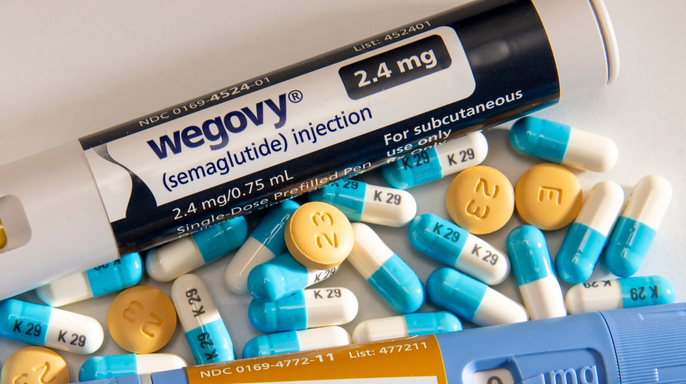
With the increasing availability of GLP-1 weight loss drugs to the American population, it is likely to slim down the society. This translates to reduced fuel use and consequently reduced costs to the airlines according to a recent analysis carried out by Jefferies Research Services.
The weight of the planes which include passengers, their luggage and other necessary goods have direct direct implications on fuel expenses. A heavier aircraft takes more fuel as compared to light aircraft.
The Jefferies analysis reveals that airlines have always worked to ensure that aircrafts are as light as possible and consume as little fuel as possible, whether it is serving pit-less olives or even with thin or light paper stock.
The airlines have long history of seeking special ways of bringing down the weight of the plane, which is going to cut the amount of fuel it consumes and restrict the largest cost category of an airline, analysts in the report noted.
However, they can do nothing to restrict the amount of weight carried by the passengers.
Having weight loss drugs such as Ozempic and Wegovy reduce the weight of the population by 10% would result in the airline passengers reducing their weight in total by 2%. In the case of airlines, it is a savings of 1.5 percent in fuel, and an increase in earnings per share of 4 percent, the analysis showed.
Jefferies modeled the savings with the example of a Boeing 737 Max 8 aircraft. It has a weight of 99 000 pounds when empty, and can hold 46,000 pounds of fuel. Assuming that it carries 178 passengers in which the average weight of the passengers is 180 pounds together with some 4,000 pounds of other cargo, its total takeoff weight is 181,200 pounds. In comparison, should passengers lose weight by 10 percent, to average weight of 162, the weight of that aircraft will only be 177,996 pounds.
Jefferies determined that it could save the four largest carriers in U.S. American, Delta (Southwest and United) a total of 580 million of fuel every year. In 2011, the airlines are projected to use 38.6 billion jointly, on jet fuel.
Jefferies did the study in reaction to the pharmaceutical companies coming up with weight loss pills, in reaction to a report it published in 2023 investigating the impact of weight loss on the cost of fuel.
As the pill version of the drug is now available and the obesity levels drop, wider adoption would have additional consequences on the waist lines, analysts said.